




A mid-sized Ghanaian lender is in talks about offering its customers access to digital assets.
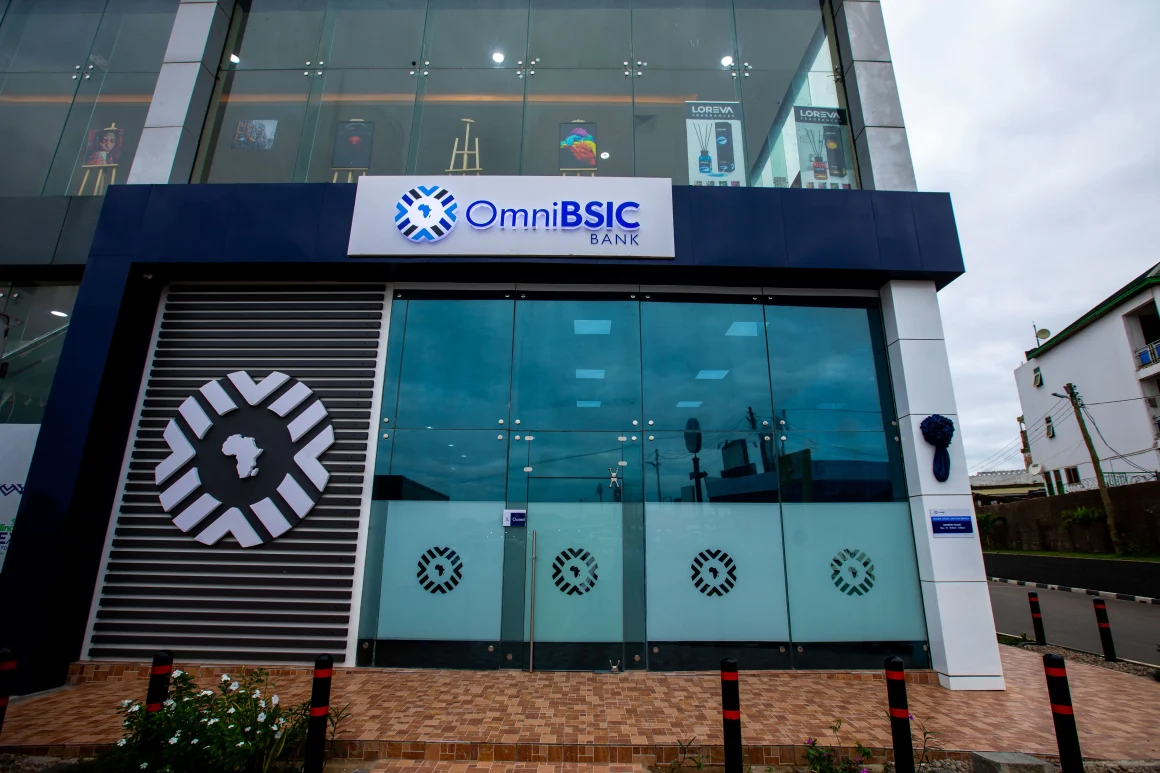
OmniBSIC Bank Ghana Ltd and KoinKoin Ghana Ltd have opened exploratory talks on a possible virtual asset collaboration. The talks are at an early stage. No agreement, terms, or product have been announced, and any arrangement would require due diligence, approvals from both institutions, and compliance with applicable regulations.
If a deal happens, OmniBSIC would be among the first Ghanaian banks to work openly with a licensed crypto platform.
What Is on the Table
The two companies have described possible areas of cooperation rather than a product. These include digital asset access through the bank’s digital channels, customer onboarding, compliance integration, and services for corporate and diaspora customers.
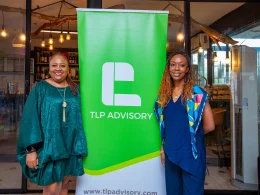
The proposed split of work is clear. According to KoinKoin’s CEO, Mimi Kufuor, KoinKoin would handle compliance work such as onboarding and transaction monitoring. The bank would provide the customers and the trusted channel. The crypto firm would carry the specialist risk work.
For OmniBSIC, the talks fit an existing strategy. The bank’s digital agenda, OmniBSIC 5.0, covers embedded finance, personalised banking, and corporate and diaspora services. Diaspora customers are a key market in Ghana, where remittances are an important source of foreign exchange.
The Law Behind the Move
The talks follow Ghana’s move to regulate crypto. The Virtual Asset Service Providers Act, 2025 (Act 1154) is Ghana’s statutory framework for virtual assets, and it assigns roles to the Bank of Ghana and the Securities and Exchange Commission.
Before the law, Ghanaian banks mostly stayed away from crypto. The central bank had warned the public about the risks of unregulated digital assets.
KoinKoin has a regulatory foothold. It holds a Virtual Asset Regulatory Sandbox Licence from SEC Ghana, issued to the regulator’s first cohort of virtual asset exchanges. A sandbox licence allows supervised testing. It is not a full operating licence.
The timing is also notable. SEC Ghana convened the Africa Virtual Asset Summit on November 2 and 3 in Accra. Keynote speakers included Ghana’s Finance Minister, the Governor of the Bank of Ghana, and the Director-General of SEC Ghana, and the summit discussed a proposed Accra Declaration on responsible virtual asset and tokenisation growth.
A Continental Pattern
Ghana is following a path already taken by South African banks. FNB launched crypto investing with the exchange VALR, offering Bitcoin, Ethereum, XRP, Solana, and USDT, and Absa has entered institutional Bitcoin custody.
In both cases, a large bank used a specialist partner instead of building crypto infrastructure itself. The proposed OmniBSIC-KoinKoin model follows the same approach.
KoinKoin, founded in Nigeria, is positioning itself as that kind of partner in Ghana. Its founder and global CEO, Olaniyi Atose, says he set up KoinKoin Ghana five years ago.
What Remains Unclear
Act 1154 gives the central bank a role, but neither company has said whether the Bank of Ghana has been consulted or what approval a commercial bank needs to offer virtual assets. That question decides whether this goes beyond talks.
Neither firm has said whether customers would get Bitcoin, stablecoins, or something else. Stablecoins matter most for diaspora remittances. They also raise the hardest foreign exchange questions for a central bank that guards the cedi closely.
Outsourcing onboarding and monitoring to KoinKoin does not remove the bank’s own anti-money laundering obligations. How liability would be shared if something goes wrong has not been explained.
KoinKoin’s licence is a testing licence. Whether it covers a commercial bank partnership at scale is unclear.
Source: CoinAfrica